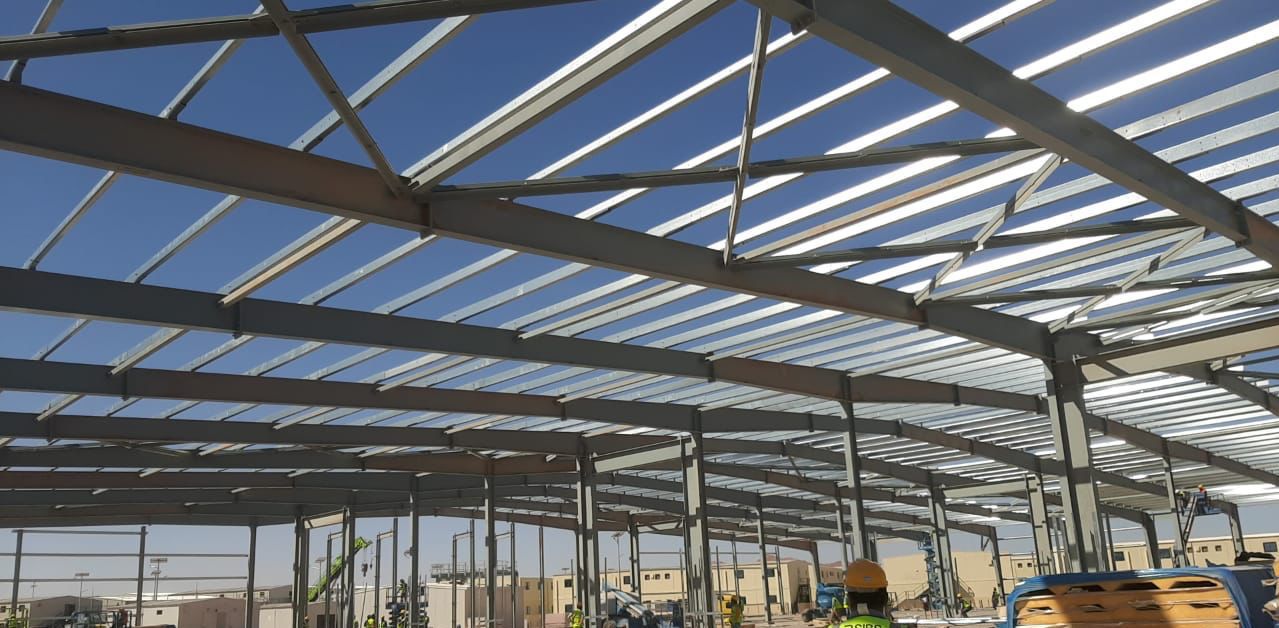
Steel structures deliver unmatched strength-to-weight ratios, extreme durability, and accelerated construction via off-site prefabrication. Their adaptability suits intricate designs, while being non-combustible and resistant to rot, pests, and seismic forces. Furthermore, steel is 100% recyclable, establishing it as a sustainable and financially sound option for modern infrastructure projects. These qualities make steel the preferred choice for large-scale industrial and commercial developments in rapidly evolving markets.
Superior Strength and Structural Efficiency
The primary advantage of steel lies in its high strength-to-weight ratio. Unlike traditional reinforced concrete, steel allows for the creation of lightweight frames that can support immense loads. This efficiency means that engineers can design taller buildings with smaller foundations, reducing both material costs and site preparation time. In the context of the Saudi Arabian construction landscape, where soil conditions vary, the lightweight nature of steel provides a significant technical edge.
Structural steel components are manufactured under strict factory conditions, ensuring uniform quality and consistency. This precision allows for predictable performance under stress, which is vital for high-rise buildings and expansive industrial warehouses. By using high-grade steel, developers can achieve longer spans and more open floor plans without the need for intrusive support columns. This structural freedom is a major draw for architects looking to push the boundaries of modern aesthetics.
Accelerated Construction Timelines
Time is a critical factor for investors and developers. Steel structures are largely prefabricated off-site, which allows for simultaneous site preparation and component manufacturing. Once the components arrive at the construction site, they are bolted or welded together with high precision. This modular approach significantly reduces the total project duration compared to traditional cast-in-place concrete methods. Fast-tracked timelines lead to earlier occupancy and a faster return on investment.
For international investors entering the Saudi market, speed of execution is often a top priority. Companies like Great Success for Construction specialize in leveraging these rapid assembly techniques to meet the ambitious deadlines set by Vision 2030 projects. By minimizing on-site labor and reducing the impact of weather-related delays, steel construction offers a reliable schedule that helps stakeholders avoid the financial penalties associated with project overruns.
Economic Viability and Cost-Effectiveness
While the initial cost of raw steel can fluctuate, the overall lifecycle cost of a steel building is remarkably low. The reduction in labor hours, combined with faster project completion, results in significant savings on overhead and financing. Furthermore, the precision of pre-engineered steel buildings reduces material waste. Every beam and joint is designed and cut to exact specifications, ensuring that no resources are squandered during the assembly process.
Beyond construction costs, steel offers long-term financial benefits through low maintenance requirements. Steel does not warp, crack, or expand like wood or concrete. When treated with modern coatings, it remains resistant to corrosion and environmental wear. For large-scale industrial projects, these factors translate into lower insurance premiums and reduced repair costs over decades of operation. This financial predictability makes steel an attractive asset class for institutional investors and real estate developers.
Sustainability and Environmental Impact
Sustainability is no longer an option but a requirement in modern engineering. Steel is one of the most recycled materials on the planet, with a recovery rate that exceeds 90% in many regions. When a steel building reaches the end of its life, the structural components can be melted down and repurposed without any loss in quality. This circular economy approach aligns perfectly with global green building standards and LEED certification requirements.
In Saudi Arabia, where environmental conservation is a pillar of national strategy, steel construction supports energy-efficient designs. Steel frames can easily accommodate high-performance insulation, reducing the energy needed for cooling in the Kingdom’s desert climate. Using steel contributes to a smaller carbon footprint during the manufacturing and transportation phases. This focus on sustainability enhances the reputation of developers who prioritize eco-friendly practices in their urban planning and infrastructure projects.
Resilience to Natural Hazards and Fire
Safety is a paramount concern for any permanent structure. Steel is inherently non-combustible, meaning it does not contribute fuel to a fire. While extreme heat can affect steel’s strength, modern fire-protective coatings ensure that structures maintain their integrity long enough for emergency responses. This fire resistance is a crucial safety feature for densely populated commercial centers and industrial facilities where hazardous materials might be stored or processed.
Additionally, steel possesses excellent ductility, which is the ability to deform without fracturing. This property makes steel structures exceptionally resilient to seismic activity. During an earthquake, a steel frame can absorb and dissipate energy, protecting the occupants and the building’s core. This seismic performance is particularly important for infrastructure in coastal regions or areas prone to tectonic movement, providing peace of mind for both engineers and the general public.
Architectural Flexibility and Innovation
Steel allows architects to realize complex geometries that would be nearly impossible with other materials. The ability to create curved surfaces, cantilevered sections, and vast column-free spaces opens up a world of design possibilities. This flexibility is essential for creating iconic landmarks, stadiums, and airport terminals. Steel’s slim profile also allows for larger window installations, maximizing natural light and improving the well-being of building occupants.
For engineers at Great Success for Construction, steel represents a versatile medium that can be adapted to various aesthetic styles, from ultra-modern glass facades to rugged industrial looks. This adaptability ensures that buildings can be repurposed or expanded with ease. If a business grows, a steel structure can be modified by adding new modules or reinforcing existing beams, providing a level of future-proofing that concrete simply cannot match.
Resistance to Biological Threats
Traditional building materials like timber are susceptible to termites, mold, and rot. These biological threats can compromise the structural integrity of a building over time, leading to expensive and invasive repairs. Steel, however, is inorganic and entirely resistant to these issues. It does not provide a food source for pests and does not harbor moisture that leads to fungal growth, ensuring a healthier indoor environment.
This resistance is particularly beneficial in humid coastal climates or areas where subterranean pests are common. By eliminating the risk of rot and infestation, steel structures maintain their value and safety for generations. This durability is a key selling point for developers who want to provide high-quality, low-maintenance housing and commercial spaces to the Saudi market, where longevity is a hallmark of premium real estate.
Precision Engineering and Quality Control
The fabrication of steel components involves advanced technologies such as Building Information Modeling (BIM) and CNC machining. These tools ensure that every piece of the structure fits perfectly with sub-millimeter accuracy. This level of precision reduces the likelihood of human error during assembly and ensures that the final structure adheres strictly to the original engineering plans. Quality control is maintained throughout the entire supply chain.
For foreign investors, this technical transparency is vital. It allows for detailed monitoring of the construction process and ensures that the project meets international safety and quality standards. Companies like Great Success for Construction utilize these advanced methodologies to deliver projects that are not only structurally sound but also aesthetically flawless. This commitment to precision engineering builds trust and fosters long-term partnerships with global stakeholders.
Ease of Transport and Logistics
Despite its strength, steel is relatively easy to transport. Prefabricated components can be packed efficiently, reducing the number of truck trips required to move materials to the site. In a country as vast as Saudi Arabia, where logistics can be a challenge, the ability to transport high-strength components over long distances is a major logistical advantage. This portability also makes steel ideal for remote projects.
The reduction in site traffic also leads to less disruption in urban environments. Since steel components are ready for immediate installation, there is no need for large-scale on-site storage of raw materials like sand, gravel, or cement. This “just-in-time” delivery model keeps the construction site organized and safe, further contributing to the overall efficiency of the project. It is a streamlined approach that reflects the sophistication of modern construction management.
Integration with Smart Technologies
Modern steel structures are ideally suited for the integration of smart building technologies. The hollow sections of steel beams can be used to hide wiring, sensors, and HVAC ducts without compromising the building’s aesthetics. As Saudi Arabia moves toward “Smart Cities,” the ability to seamlessly embed technology into the structural framework is essential. Steel provides the stable, conductive, and flexible base needed for these advanced systems.
Whether it is automated climate control or integrated security systems, steel frames provide the necessary support for high-tech infrastructure. This synergy between physical structure and digital technology is what defines the next generation of construction. By choosing steel, developers are investing in a platform that can evolve alongside technological advancements, ensuring that their buildings remain relevant and functional in an increasingly digital world.
Conclusion and Future Outlook
The transition toward steel-centric construction is a clear trend in the global and local markets. The benefits of steel structures—ranging from rapid deployment and cost savings to sustainability and safety—make them the logical choice for the future of the built environment. As the Saudi construction sector continues to expand under the guidance of Vision 2030, the demand for high-quality steel solutions will only grow.
Partnering with an experienced firm like Great Success for Construction ensures that these benefits are fully realized. Their expertise in the Saudi market, combined with a commitment to international engineering standards, makes them a leader in delivering steel-based infrastructure. Whether you are an engineer seeking technical excellence or an investor looking for reliable returns, steel structures offer the most robust and versatile solution for modern construction needs.
FAQ
-
Why are steel structures better for the Saudi environment?
Steel structures are highly resistant to the extreme temperatures and seismic conditions found in Saudi Arabia. They also support energy-efficient cooling systems, which is essential for the Kingdom’s climate.
-
How does steel construction save money in the long run?
While material costs vary, steel saves money through reduced labor hours, faster completion times, and very low maintenance costs over the building’s lifespan.
-
Is steel construction more sustainable than concrete?
Yes, steel is 100% recyclable and often made from recycled materials. It produces less waste on-site and allows for designs that meet strict environmental and energy-saving standards.
-
Can steel buildings be easily expanded?
One of the greatest benefits of steel is its modularity. Steel frames can be modified, reinforced, or extended much more easily than concrete structures, making them ideal for growing businesses.
-
How long does a steel structure typically last?
With proper coating and minimal maintenance, a steel structure can last over 50 to 100 years without losing its structural integrity or safety performance.